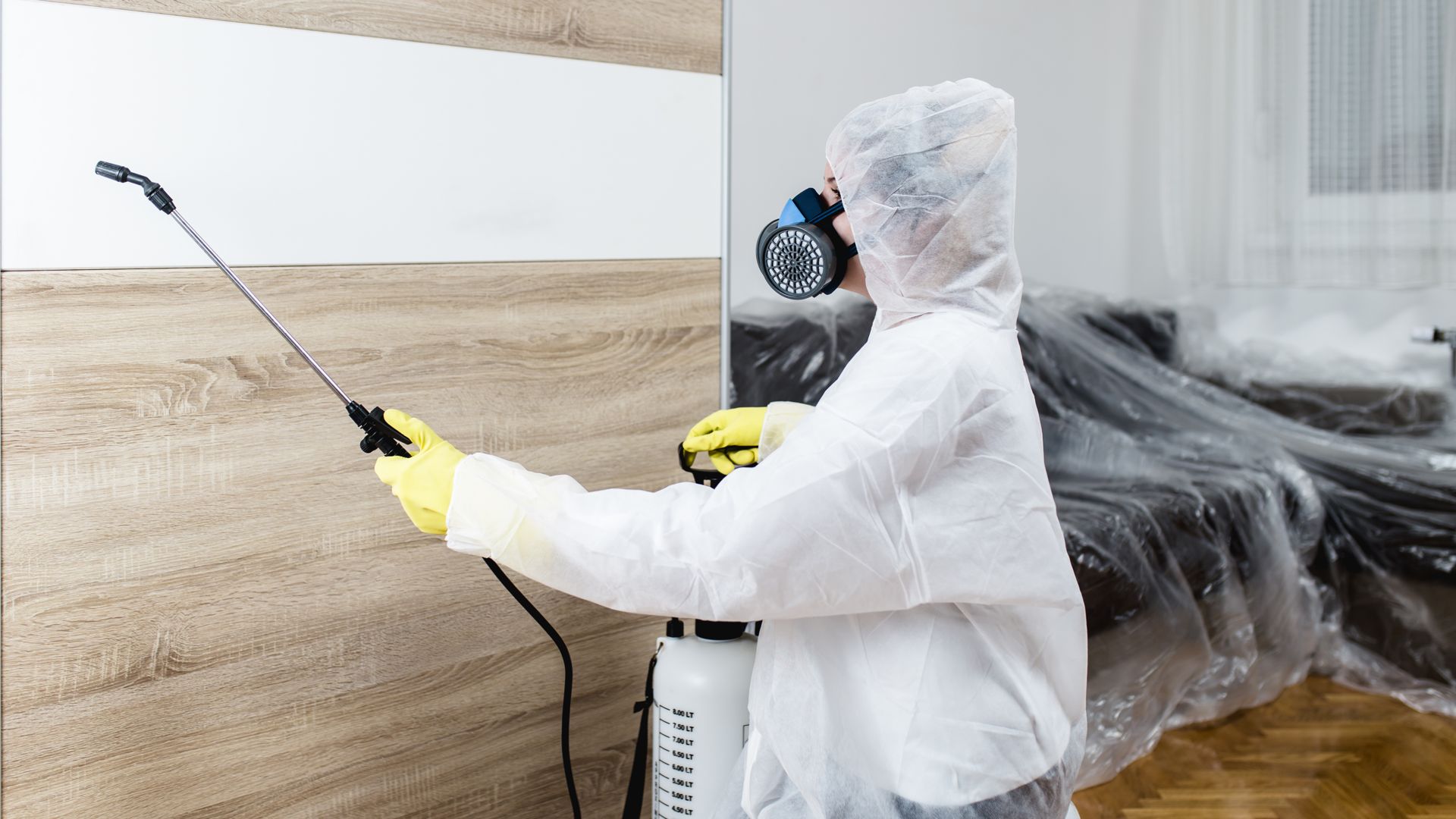
You want pests out of your Anderson home, but you do not want harsh chemicals where your kids and pets eat, sleep, and play. You care about the environment around your house, and you also know that ants in the kitchen, spiders in the corners, or roaches in the bathroom are not something you can just ignore. That tension between wanting a healthy home and wanting pests gone is exactly where eco-friendly pest control comes in.
In our part of the Upstate, the warm, humid climate gives pests a long season to invade. Ant trails across the counter after a summer rain, mosquitoes buzzing around a Clemson patio, and roaches hiding near a damp Anderson crawlspace are all common. A single homemade spray or a random product from the store usually does not keep up with that kind of pressure, and it often leaves you wondering what you really just put into your home.
At Priority Pest & Contracting INC, we work with families every day in Anderson, Seneca, Clemson, Pickens, and Central who want safer, smarter ways to control pests. We build plans around Integrated Pest Management, or IPM, which focuses first on prevention and targeted treatments instead of constant broad spraying. In this guide, we explain what eco-friendly pest control really looks like in our area, how it works on the pests you actually see, and when it makes sense to bring in a local team trained in these methods.
What Eco-Friendly Pest Control Really Means For Anderson Homes
Eco-friendly gets used a lot in pest control, but it can mean very different things. Some products use it as a marketing label because they include plant-based ingredients, even if they still pose risks when used heavily or incorrectly. For us, eco-friendly pest control means a practical mix of reduced-risk products, careful application, and smart prevention that lowers exposure for people, pets, and the environment while still getting real results.
In Anderson and nearby towns, expecting to avoid any product use at all is usually not realistic. Our warm temperatures and humidity mean many pests stay active for much of the year. Roaches can keep reproducing in wall voids, ant colonies can expand through yards and into kitchens, and mosquitoes can breed in small pockets of water around the property. Eco-friendly control in this climate is about reducing the amount of material needed and placing it where it works hardest, not about promising that no product will ever be used.
True eco-friendly pest control also focuses more on the way we treat than just what we treat with. We spend more time looking for why pests are there, how they are getting in, and what is attracting them. From there, we use lower-toxicity, targeted products only where they are needed.
Common Pests In Anderson & How Green Methods Target Them
Eco-friendly pest control only matters if it works on the pests you are dealing with right now. In Anderson and the surrounding communities, we see a fairly consistent group of troublemakers. Ants, roaches, spiders, mosquitoes, and rodents cause the most complaints, and each one responds best to a slightly different eco-conscious strategy.
Take ants in an Anderson kitchen, for example. A spray that kills the workers you see on the counter might feel satisfying, but it often scatters the colony and fails to reach the queens. Eco-friendly control relies more on sanitation to remove food trails, sealing the tiny gaps where ants enter, and using baits that workers carry back to the nest. Those baits use very small amounts of active ingredient placed in cracks, corners, or stations, so exposure inside your home stays low while the colony itself is targeted.
German cockroaches, which often show up in apartments and older homes in Clemson and Pickens, need another approach. They hide deep in cracks and reproduce quickly. A green-minded plan focuses first on reducing clutter and moisture, then places small amounts of gel bait, dust, or growth regulators directly in hidden harborage points. Growth regulators do not kill on contact.
Integrated Pest Management: The Foundation Of Eco-Friendly Control
Integrated Pest Management, or IPM, is the backbone of effective eco-friendly pest control. Instead of automatically reaching for a sprayer, we follow a structured process that starts with a careful look at your home and only uses products when they are truly needed. This approach reduces chemical use, and in many Anderson homes it improves long-term results because we solve the conditions that attract pests in the first place.
IPM begins with inspection and monitoring. On a visit to a home in Anderson, we may start by checking common entry points, moisture-prone areas like bathrooms and kitchens, and structural features such as crawlspaces, foundations, and attic access. Outside, we look at gutters, downspouts, mulch, shrubs, and where the ground meets the siding. Monitoring can include sticky traps, visual checks, and asking you about what you have seen and when.
The next pieces of IPM are sanitation and habitat adjustment. In practical terms, that can mean helping you identify food sources that are drawing ants, stored items that are giving roaches cover, or yard features that create perfect spots for mosquitoes. In Clemson or Central, for example, we may see stacked firewood against the foundation, thick mulch against siding, or kids’ toys that collect water after rain. Adjusting those conditions makes your home less attractive to pests before we ever apply a product.
Low-Toxicity Products & Natural Options We May Recommend
Many homeowners in Anderson ask what exactly goes into an eco-friendly pest control plan. The answer is that we rely on a mix of low-toxicity, targeted products and, in some cases, natural or plant-based options. The goal is not to chase a label, but to choose tools that solve the problem with the least risk and the greatest precision.
Baits are one of the most useful options in greener programs. For ants and roaches, we often apply gel baits in cracks, behind appliances, or in bait stations where kids and pets cannot reach. These baits attract pests, which then carry or ingest the active ingredient and take it back to their harborage or colony. Because the material stays in small, contained spots, it keeps broad exposure in your living space very low.
Insect growth regulators are another example. These materials do not kill insects by direct poisoning, but instead disrupt their ability to grow or reproduce. Used correctly in Anderson-area homes, growth regulators can steadily reduce roach or flea populations without heavy, repeated spraying across floors or surfaces. We may pair them with baits or targeted sprays for a layered, yet still low-impact approach.
Practical Steps You Can Take To Make Your Anderson Home More Pest Resistant
Eco-friendly pest control works best as a partnership between what we do and what you do day to day. The good news is that many of the most powerful steps you can take in Anderson do not involve any product at all. They focus instead on making your home less inviting to pests and limiting where they can hide.
Inside, consistent food and clutter control go a long way. Storing pantry items in tight containers, wiping up spills quickly, and avoiding open pet food overnight all reduce the reward ants and roaches find in your kitchen. Keeping cardboard and paper clutter down in areas like laundry rooms or storage closets removes shelter that pests love. In homes around Clemson or Central, roaches often thrive in stacked boxes or crowded under-sink spaces, even when counters look clean.
Outside, Anderson yards often create perfect pest harborage without anyone realizing it. Thick mulch directly against the foundation, dense shrubs touching siding, and leaf litter under decks hold moisture and give insects and spiders a bridge into the home. Keeping mulch a few inches below siding and trimming plants back to allow air flow can reduce that pathway. Emptying items that hold water after rain, such as buckets, toys, or birdbaths, helps keep mosquito populations down in Seneca and Pickens yards.
When To Call A Professional For Eco-Friendly Pest Control In Anderson
There is a place for DIY in eco-friendly pest control. Wiping up ant trails, storing food properly, emptying standing water, and sealing small gaps are all smart steps to handle on your own. There are times, however, when calling a professional service in Anderson is the safer and more effective choice.
Recurring activity is one clear sign. If you keep seeing roaches in your kitchen or bathroom despite cleaning and store-bought products, the infestation may already be established in wall voids or hidden spaces. The same goes for rodents when you hear scratching in walls or find droppings in multiple rooms. In these cases, relying only on natural sprays or traps from the store often just pushes the problem from one area to another without truly solving it.
When you contact Priority Pest & Contracting INC, we typically start with questions about what you have seen, where, and for how long. From there, we schedule a visit to inspect your home inside and out, identify entry points and conditions, and discuss eco-friendly options that fit your family and property. Many of our clients across Anderson, Seneca, Clemson, Pickens, and Central stay with us year after year because that ongoing relationship helps keep pest pressure low with minimal impact on their daily life.
Protect Your Anderson Home With A Thoughtful Eco-Friendly Plan
Eco-friendly pest control in Anderson is not about hoping a single natural product will fix everything. It is about combining local knowledge, smart prevention, careful exclusion, and targeted treatments to protect your home, your family, and the environment around you. With the right plan, you can reduce chemical use, keep pests under control, and feel confident about what is being done in and around your house.
If you are ready to explore eco-friendly options that fit your Anderson, Seneca, Clemson, Pickens, or Central home, we would be glad to talk through what that could look like. A short conversation or inspection can help us build a plan that balances safety, results, and cost for your specific situation.
Call (864) 619-3321 to schedule a visit and find out how we can design an eco-friendly pest control plan for your home.