You expect a brand-new Anderson home to come with that fresh paint smell, not ants in the kitchen or spiders in the corners. When you are about to close on a new build, the last thing you want to picture is pests already scouting your cabinets, attic, or foundation. Yet many Anderson buyers notice bugs within weeks of moving in and are left wondering how that happens in a house that is supposed to be “perfect.”
If you are investing in new construction in Anderson, Seneca, Clemson, Pickens, or Central, your goal is simple. You want a home that feels solid, clean, and protected from the kinds of pest problems you have seen in older houses. That means understanding how the building process, local soil and weather, and your first few months of maintenance either close the door on pests or quietly invite them in.
Why New Anderson Homes Aren't Automatically Pest-Proof
Many homebuyers believe new materials mean zero pests. In reality, new construction is often more vulnerable initially. When land is cleared, local insects like ants and spiders lose their natural habitats and immediately seek shelter in the nearest structure—your new home.
- Construction Exposure: Open framing and unsealed gaps during the build process invite displaced pests inside long before you move in.
- Utility Gaps: Plumbing, electrical, and HVAC lines require drilling through the slab and walls. These tiny openings are "highways" for roaches and ants.
- Warranty Limits: Standard builder warranties cover structural issues, not general pest prevention. A termite bond protects against one specific threat, but it won't stop spiders in your attic or ants in your new kitchen.
In towns like Anderson and Clemson, our humid climate keeps pests active year-round. A new home may pass every code inspection and still have active pest trails because the "small details" were overlooked.
Common Pest Entry Points in New Construction
To keep your investment safe, you must identify where pests are likely to enter. In the Anderson area, slab-on-grade homes have several common "hot spots" that require professional attention:
- Pipe Penetrations: Anywhere a pipe enters through concrete or siding, there is a potential gap. Even a hairline fracture is enough for an ant colony to enter.
- Exterior Transitions: Gaps often exist where brick veneer meets siding or where trim isn't perfectly snug against the foundation.
- Weep Holes & Vents: Brick weep holes are necessary for moisture drainage but act as open doors for insects if left untreated. Similarly, loose attic vents can admit rodents.
- Settling Gaps: As a new home settles, baseboards may pull away or weatherstripping around garage doors may shift, creating new entry points.
Exterior Gaps That Invite Pests In
Start by walking the perimeter of the home in daylight. Along the foundation, look where utilities such as the air conditioning lines, gas lines, cable, and electrical conduits enter the structure. If you see irregular holes, exposed foam, or gaps where caulk has already separated, pests see the same thing as an open door. At brick-to-siding transitions, look for cracks large enough to fit a credit card edge. That kind of gap may not bother a building inspector, but it is more than enough room for insects.
Examine door thresholds, especially the garage door. Stand inside the garage with the door closed and the lights off. If you see daylight under the door, pests can use that space too. Around windows and exterior doors, inspect the caulked joints and weatherstripping. Peeling caulk or compressed, torn weatherstripping makes it easy for pests to slip between the frame and the wall. In new Anderson subdivisions, we often find that a quick adjustment of a door sweep or an extra bead of sealant would have helped prevent the ant or spider activity homeowners are already seeing.
Interior Vulnerabilities in New Construction
Even if a home looks perfect on the surface, pests find the hidden "leaks" inside. As a new house settles, small gaps open up that act as invitations for unwanted guests.
- Under-Sink Gaps: Check where pipes enter walls in kitchens and baths. Builders often leave these holes larger than necessary, hidden behind silver plates (escutcheons).
- Bath & Shower Seals: Gaps in sealant where tubs meet the floor allow moisture to seep in, attracting pests to the damp wood underneath.
- Baseboard Separation: As wood dries and settles, baseboards can pull away from the wall, creating "pest highways" throughout the home.
- Thresholds: Check the doors leading to the garage or attic. If you can see light under the door, a pest can walk right in.
How Anderson’s Climate and Landscaping Attract Pests
In the Upstate, our long, humid summers and heavy rains create the perfect environment for insects. New neighborhoods are especially prone to issues as the soil and drainage systems settle.
- The Moisture Trap: New grading often results in "low spots" where water pools near your foundation. Damp soil is a magnet for termites and ants.
- The "Mulch Bridge": Thick mulch looks great but can act as a bridge. If piled against your siding, it allows termites to bypass treated soil and enter your walls undetected.
- Planting Too Close: Dense shrubs planted tight against the house provide shade and moisture—the two things pests love most.
- Pro Tip: Maintain a small "buffer zone" of visible foundation between your mulch/plants and your siding to discourage pests.
Pre-Closing Checklist for Anderson Homebuyers
Your final walkthrough is the best time to catch pest entry points before they become a headache. Use this quick checklist to inspect your new investment:
- Exterior Penetrations: Ensure all AC, gas, and electrical lines are tightly sealed with caulk or foam where they enter the house.
- The "Daylight Test": Close all exterior doors (including the garage). If you see daylight around the edges, the weatherstripping needs adjustment.
- Cabinet Inspection: Look inside every sink cabinet. If there are rough, oversized holes around the plumbing, ask the builder to seal them.
- Ask for Documentation: Request the termite pretreatment records. Knowing exactly what was applied and where helps you plan your future protection.
First 90 Days in Your New Home: Habits That Keep Pests Out
The first few months after move-in are when small pest problems are most likely to show up. Boxes are stacked in the garage, furniture is shifted around, and the house is settling. You have a lot on your plate, but a few simple habits during this period can make the difference between the occasional stray bug and a recurring issue that requires more involved treatment.
Cardboard is one of the biggest hidden attractants. Roaches, silverfish, and other insects are drawn to the glue and fibers, and stacked boxes create dark, stable hiding spots. Try to unpack steadily and break down boxes instead of letting them pile up in the garage, attic, or bonus room. If you need to store items, use plastic bins with tight-fitting lids rather than cardboard. This is a small change that can have a real impact in Anderson homes where warm temperatures make garages and attics particularly welcoming to pests.
Moisture control is another early priority. In the first 90 days, periodically check under sinks, around water heaters, at the base of toilets, and near HVAC units for dampness or small leaks. Even slow drips can keep a cabinet base or wall cavity damp enough to attract ants and roaches. Wipe any condensation around supply lines, tighten loose fittings if you are comfortable doing so, and have a plumber address anything more significant. In bathrooms and laundry areas, use exhaust fans to reduce humidity that can invite moisture-loving pests.
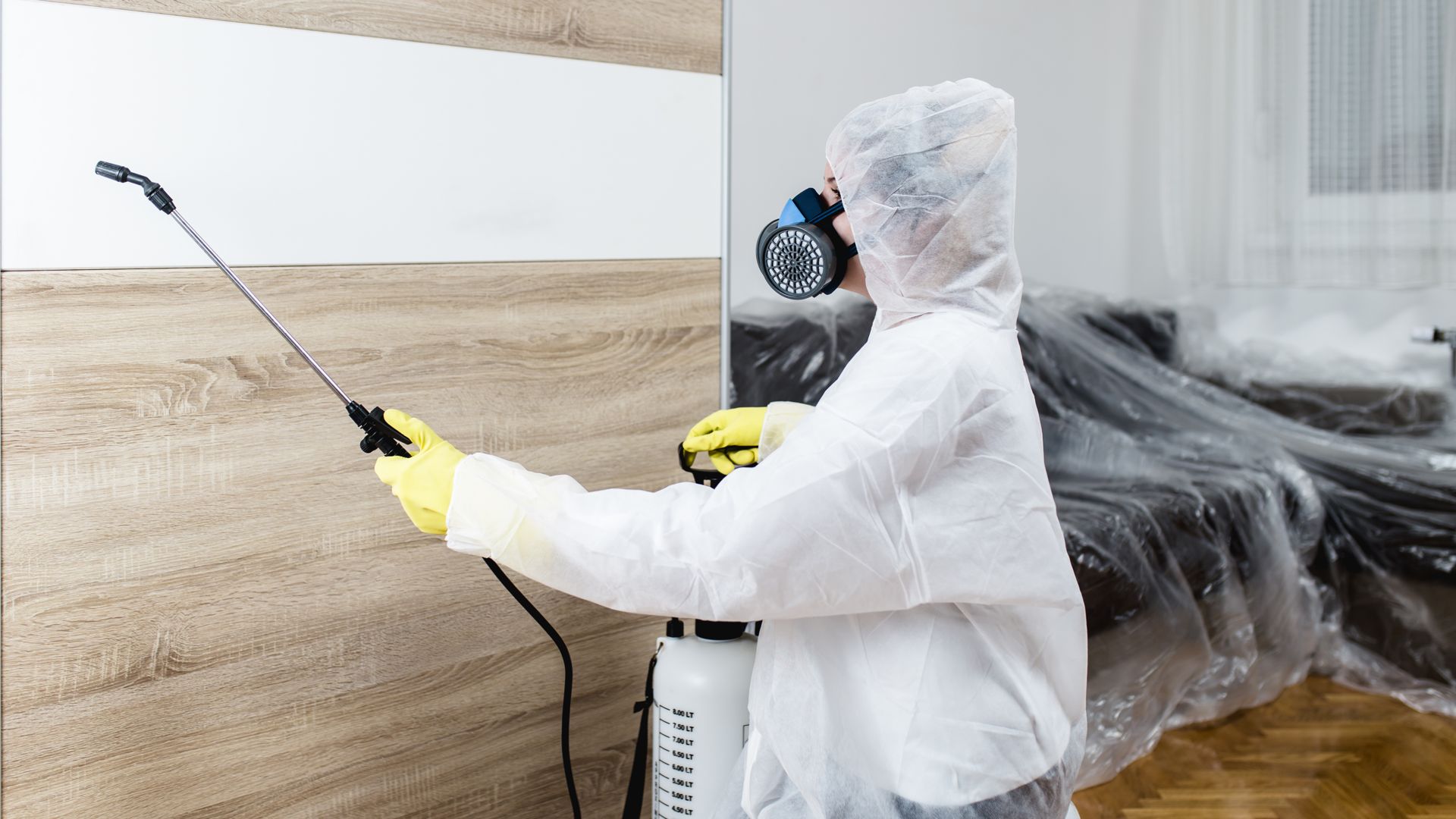
During this same period, a professional perimeter treatment and inspection can give you a strong baseline of protection. In Anderson, Seneca, Clemson, Pickens, and Central, many new homeowners start service in this early window. That timing lets a pest control provider identify small vulnerabilities, treat the exterior where pests are most active, and set up a schedule that matches the home’s design and surroundings before problems escalate.
When DIY Pest-Proofing Is Enough and When to Call a Professional
Some pest-proofing steps are well within the abilities of most homeowners. Simple sealing and maintenance tasks can significantly cut down on pest entry without requiring special equipment. Installing or adjusting door sweeps, adding caulk to small cracks in trim or siding, and redirecting downspouts so they discharge water several feet from the foundation are all practical weekend projects. Keeping mulch pulled back from the foundation and trimming shrubs away from the walls are also manageable do-it-yourself tasks.
However, there are clear signs that a problem is beyond basic maintenance. If you are seeing the same ant trails reappear after cleaning and basic sealing, or if you notice multiple roaches in kitchens and bathrooms over a short period, those are clues that pests have established themselves in wall voids or hidden areas. Mud tubes on foundation walls or masonry are a red flag for possible subterranean termite activity and should always prompt a professional assessment. Scratching noises in walls or ceilings, droppings, or chewed materials can indicate rodents, which benefit from more advanced exclusion and trapping strategies.
Chemical treatments are another dividing line. Store-bought sprays and foggers may seem convenient, but they can make problems worse by scattering pests deeper into walls or into neighboring units in multi-family settings.
Designing a Long-Term Pest Prevention Plan
Pest-proofing a new home isn't a "one and done" task. As your home settles over the first few years in Anderson, Seneca, or Clemson, new gaps can appear. A long-term plan ensures your investment stays protected as the seasons change.
- Seasonal Adaptability: From termite swarm seasons in the spring to rodents seeking warmth in the winter, your defense needs to evolve throughout the year.
- The "Maintenance" Mindset: Just like servicing your HVAC or cleaning your gutters, regular pest inspections should be a standard part of your home care routine.
- Protecting Resale Value: A well-documented history of professional pest prevention is a major selling point and provides peace of mind for future buyers.
- Property Familiarity: Working with a local team means having experts who know your specific lot—where water pools after a storm and which side of the house gets the most sun (and pest) exposure.
By treating prevention as an ongoing commitment rather than a one-time fix, you avoid the "scare tactics" of emergency infestations and keep your home a healthy, happy place to live.
Protect Your New Anderson Home With Proactive Pest-Proofing
Buying a new home in Anderson, Seneca, Clemson, Pickens, or Central is a major milestone, and you deserve to enjoy it without worrying about what might be creeping behind the walls. By paying attention to construction details, managing moisture and landscaping, and building good habits in the first 90 days, you can significantly reduce the chances that pests get a foothold. When you pair those steps with a thoughtful, long-term prevention plan, you are not just reacting to problems, you are protecting the value and comfort of your home from the start.
If you would like a pest-focused look at your new build before closing, or you are already moved in and want to set up a preventive plan, Priority Pest & Contracting INC can help. Our team understands the patterns in Anderson-area new construction and can point out the subtle issues most buyers never see, then design a service schedule that fits your home and your goals. To talk through options or schedule an inspection, call us today.